
If you’re planning a trip to Spain and wondering about cannabis laws, the answer isn’t straightforward. Cannabis is not fully legal in Spain. However, the country operates under a unique system where private consumption is decriminalized while public use remains illegal. This guide explains what tourists need to know about cannabis regulations in Spain, particularly in Madrid and Barcelona.
Understanding Spain's Cannabis Laws
Spain’s approach to cannabis differs significantly from that of countries with full legalization. The distinction between private and public use is critical for visitors to understand.
Private vs. Public Use
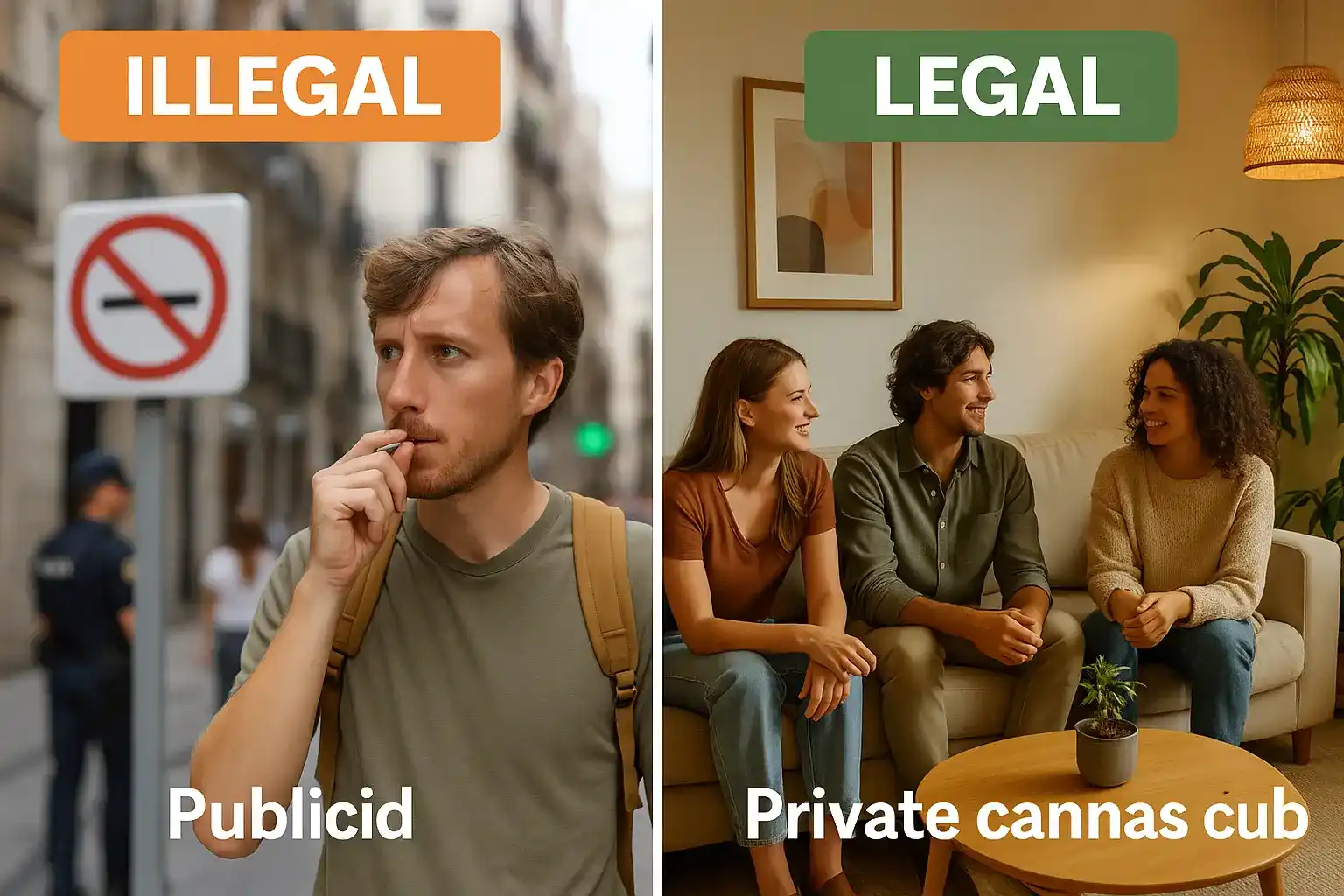
Private consumption of cannabis in Spain is decriminalized, meaning it won’t result in criminal charges. Spanish citizens can use cannabis in private spaces without facing prosecution. However, this tolerance does not extend to tourists in the same way, and the law remains in a gray area.
Public consumption is explicitly illegal throughout Spain. Using cannabis in streets, parks, beaches, or any public space can result in fines ranging from €601 to €30,000, depending on the circumstances and quantity involved. Police actively enforce these regulations, especially in tourist areas.
Legal Status Summary
| Aspect | Legal Status |
| Private consumption | Decriminalized (not legal) |
| Public consumption | Illegal (subject to fines) |
| Possession in public | Illegal (subject to fines) |
| Buying from street dealers | Illegal |
| Cannabis Social Clubs | Legal gray area |
| Cultivation for personal use | Decriminalized in private spaces |
Cannabis Social Clubs in Spain
Cannabis social clubs represent Spain’s unique approach to marijuana tolerance. These are private, non-profit associations where members collectively cultivate and share cannabis.
How Cannabis Social Clubs Work
Cannabis social clubs in Spain operate as member-only organizations. They function on a cooperative model where members pool resources to grow cannabis for personal consumption. These clubs exist in a legal gray area not explicitly legal, but tolerated by authorities when they follow specific guidelines.
Key characteristics:
- Private, closed membership
- Non-profit structure
- No sales to non-members
- Consumption typically allowed only on premises
- Membership usually requires sponsorship by existing members

Cannabis Clubs Madrid
Madrid hosts numerous cannabis social clubs, though they maintain lower profiles than their Barcelona counterparts. Cannabis clubs Madrid typically require advance registration and membership approval before entry. Most are located in residential neighborhoods rather than tourist districts. Tourists should note that many Madrid clubs are increasingly cautious about accepting foreign visitors due to legal scrutiny. Membership processes can take days or weeks, making spontaneous access difficult.
Cannabis Clubs Barcelona
Barcelona has historically been more open about its cannabis club culture, earning a reputation as Spain’s cannabis hub. Cannabis clubs in Barcelona range from small community associations to larger establishments with hundreds of members. However, Barcelona authorities have increased enforcement in recent years, closing clubs that operate too openly or cater primarily to tourists. The city now limits new club licenses and restricts locations near schools and public areas.
Important Warnings for Tourists
Avoid Street Dealers:
Purchasing cannabis from street dealers in Spain is illegal and risky. These transactions occur in public spaces, making buyers subject to fines. Street dealers often target tourists with low-quality or dangerous products. Law enforcement monitors known areas where street dealing occurs.
Public Consumption Consequences
Even small amounts of cannabis used publicly can result in significant fines. Spanish police have enforcement discretion, but tourists should not assume leniency. Repeat offenses or larger quantities can lead to more severe penalties.
Transportation and Borders
Transporting cannabis across Spanish regional borders or international borders is strictly illegal. Airports and train stations conduct regular security checks. Attempting to take cannabis out of Spain can result in arrest and prosecution.
Practical Advice for Visitors
Respect local laws: Spain’s cannabis tolerance applies primarily to residents in private settings, not tourists in public spaces.
Research thoroughly: If considering cannabis club membership, investigate specific clubs beforehand. Understand their membership requirements and rules.
Prioritize safety: Never purchase from street sources or consume in public areas, regardless of what you observe others doing.
Know your location: Cannabis regulations and enforcement vary by region and city. What’s tolerated in one area may be actively policed in another.
Regional Differences
While Spanish national law provides the framework, regional and municipal governments influence local enforcement. Catalonia (including Barcelona) and the Basque Country have historically shown greater tolerance, while other regions enforce restrictions more strictly. Madrid’s approach has become more conservative in recent years, with authorities closing clubs that don’t comply with strict operating guidelines. Barcelona similarly tightened regulations after concerns about cannabis tourism affecting residential neighborhoods.
Frequently Asked Questions
No, cannabis is not legal in Spain. Private consumption is decriminalized for residents, but public use is illegal for everyone and subject to fines of €601 to €30,000.
Technically possible but difficult. Cannabis clubs in Barcelona require membership, sponsorship, and often waiting periods. Many clubs now restrict tourist memberships due to regulatory pressure.
You’ll receive an on-the-spot fine starting at €601. Police actively enforce public consumption laws in tourist areas of Madrid and Barcelona.
Cannabis social clubs exist in a legal gray area, tolerated but not explicitly legal. They must operate as private, non-profit member associations.
No, purchasing from street dealers is illegal and risky. Both buyers and sellers face fines and potential arrest for public transactions.